


Renewable Energy & Smart Grids: The Engineering Logic from Grid-Connection to Grid-Intelligence
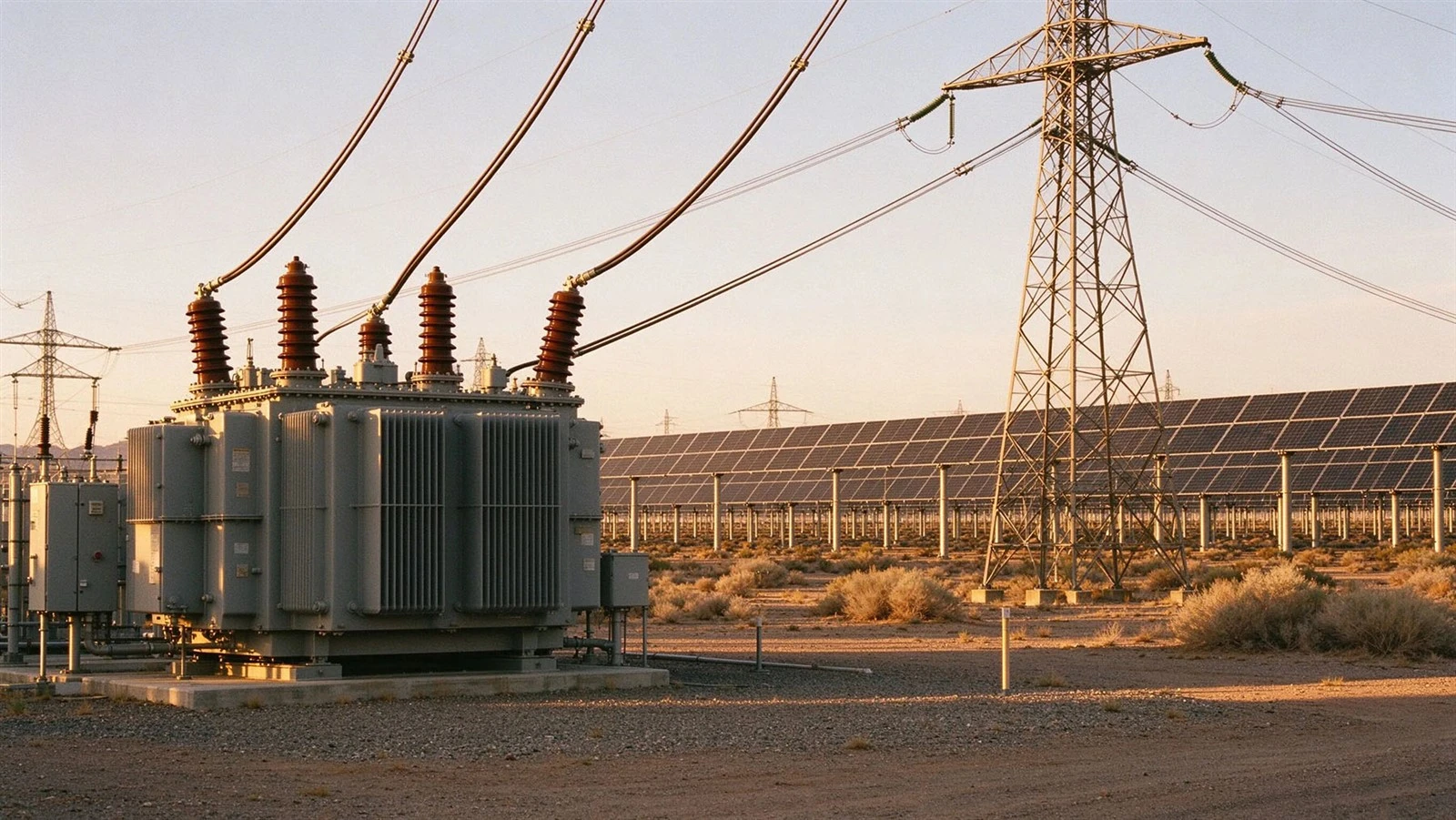
If you look at the global installation numbers, the renewable energy curve is almost a straight line up. We're talking about roughly 4,600 GW of new capacity projected between 2025 and 2030, with solar doing most of the heavy lifting. But the reality is, the grid wasn't designed for this. We are no longer just adding supplementary power; we are forcing the grid to dispatch primary sources.
The intermittency challenge gets real once wind and solar push past the 20% mark. In parts of Europe, negative pricing is no longer an anomaly-it's a recurring headache when midday solar peaks crash into low demand. China is facing the same physics. By late 2024, renewables in State Grid's territory surpassed coal as the largest source at 43.3% of total capacity. But if you look at the utilization rates in early 2025, solar dropped to 93.9%, and in places like Tibet, it was under 70%. You can build all the solar farms you want, but without a flexible grid, that energy is just getting curtailed.
How Smart Grids Actually Fix This
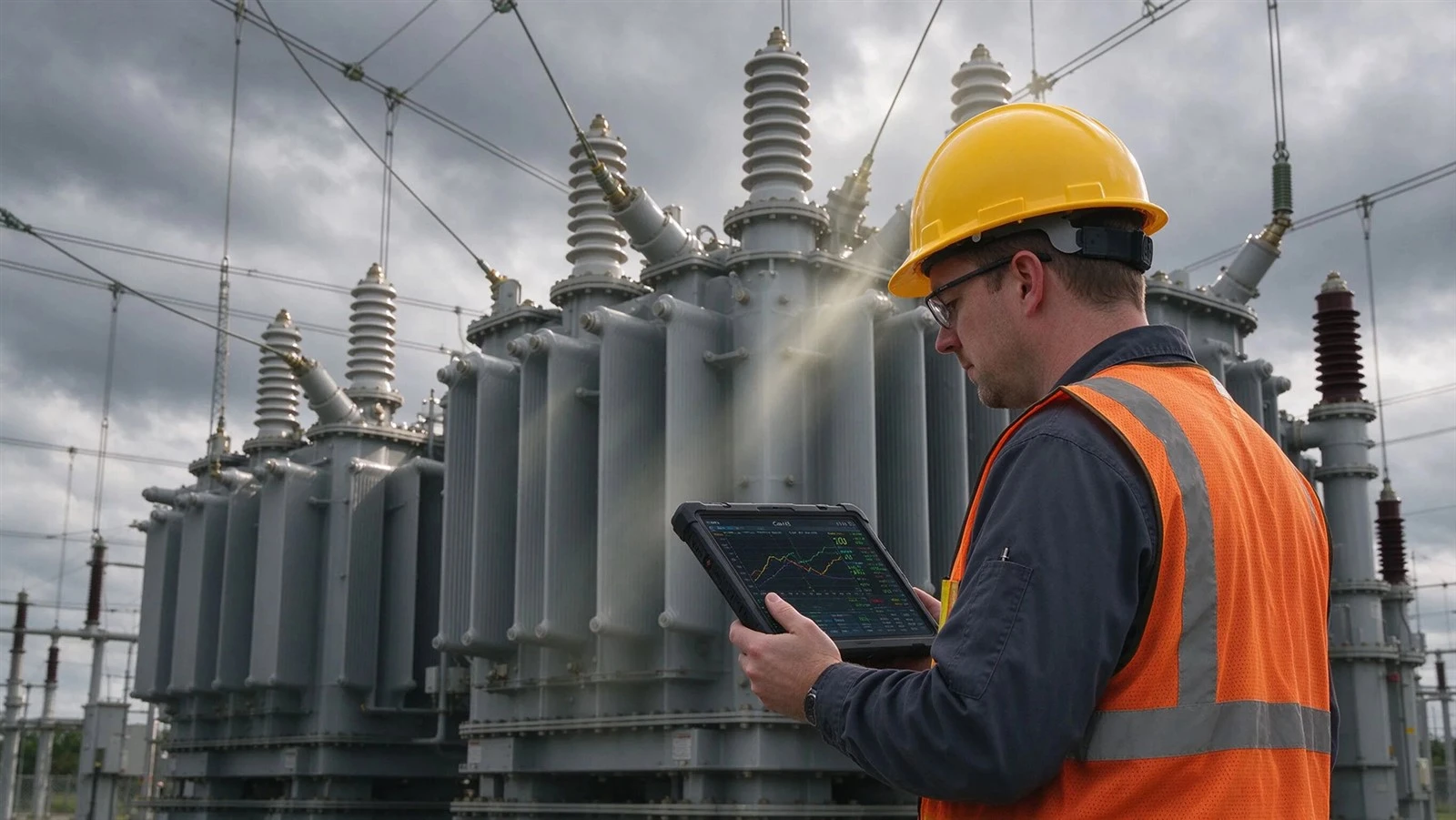
Battery storage is the obvious answer. Costs have plummeted by 93% since 2010, making utility-scale storage practical. But it's not just about storing power; it's about frequency response and smoothing out the curve in seconds, not hours.
Then there's the digital side. AI and edge computing are finally moving out of the lab and into the substations. The industry is using predictive models and digital twins to forecast output better. According to recent data, over half of the professionals in this space are already using digital tools and LiDAR for site design.
But software can only do so much. You still need hardware. Global grid investment hit nearly $483 billion in 2025. China alone spent over 639 billion RMB, with a massive chunk going into distribution networks and UHV corridors. Without the physical transformers and switchgear to handle the flow, the smart grid is just a software concept.
Transformer Selection: Oil vs. Dry-Type
When we look at renewable projects, the duty cycle for transformers is brutal compared to traditional thermal plants. Solar and wind units are constantly cycling-near zero load at night, potential short-term overloads at noon. Add in the fact that these sites are often in coastal, desert, or tight urban spaces, and the hardware requirements change significantly.
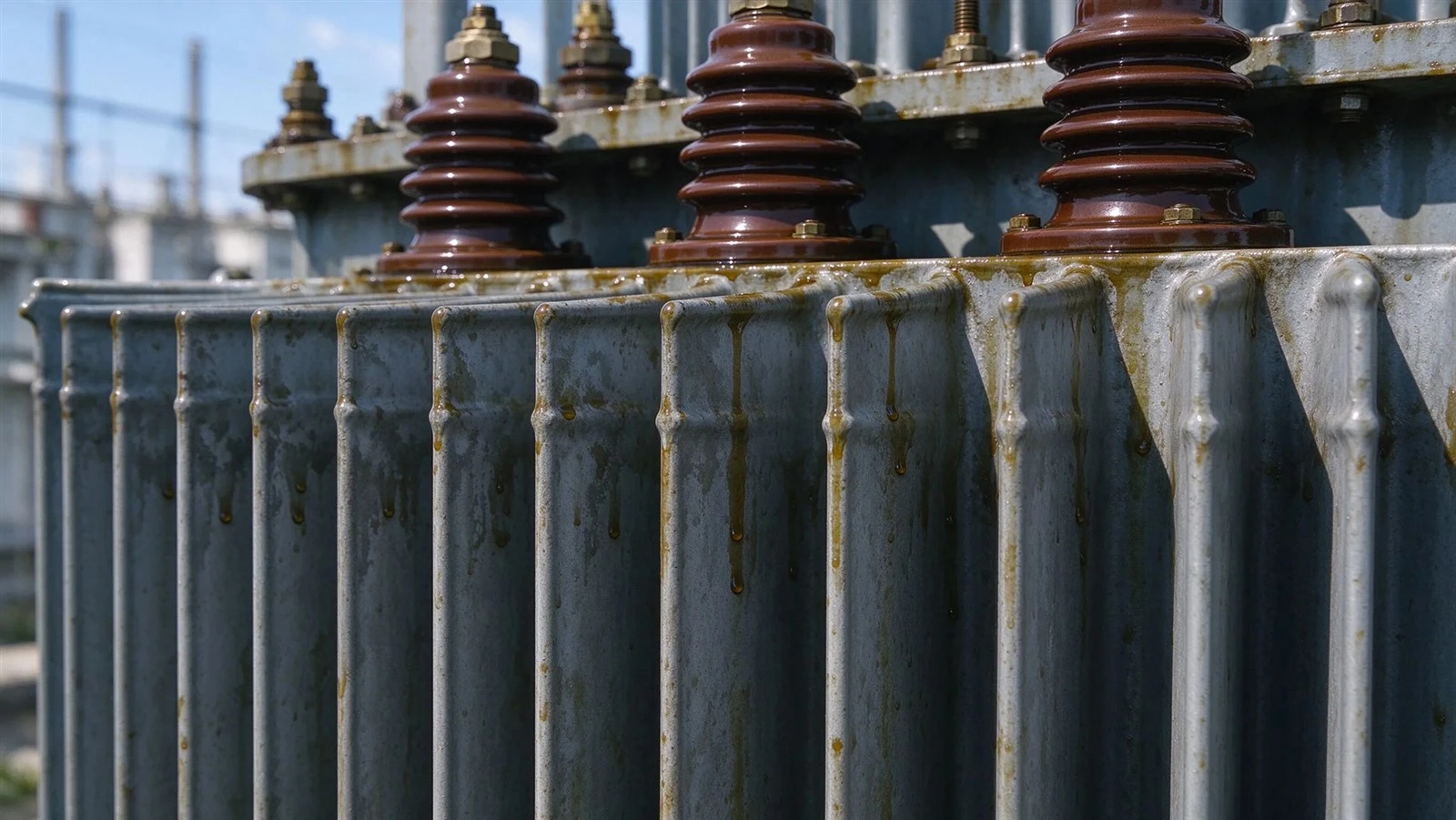
Here is how we look at the trade-offs in real-world projects:
| Comparison Dimension | Oil-Immersed Transformer | Dry-Type Transformer |
|---|---|---|
| Typical Application | Step-up main transformers, offshore wind, large solar farms | Distribution endpoints, data centers, urban distributed PV |
| Overload Capacity | Strong, handles short-term overloads well | Weaker, limited by insulation temperature class |
| Fire Safety | Requires oil pit and fire separation | No oil, inherently fire-safe |
| Footprint | Relatively large | Compact, fits tight spaces |
| Maintenance | Needs DGA monitoring, oil filtration | Simple, but relies on ambient ventilation |
| Renewable Fit | Step-up collection, long-distance transmission | Distributed integration, user-side grid connection |
For large utility-scale wind and solar bases, oil-immersed units of 110kV and above are still the only realistic choice for step-up collection because of their overload tolerance. But for urban distributed PV, EV charging stations, or data centers, dry-type transformers win on safety and footprint.
Looking for the exact hardware for your utility-scale project?
Explore our 220kV Oil-Immersed OLTC Transformer ➔
The Shift from "Dumb" Hardware to System Integration
The mindset in procurement has changed. Ten years ago, buyers just asked for capacity, losses, and voltage class. Now, they want to know if the transformer can talk to the SCADA system, if it can provide real-time data during faults, and if it will survive 25 years of a constantly shifting grid.
It's not about making the transformer "smart" with buzzwords. It's about understanding the harmonic environment, the load profile, and the communication protocols before the design phase even starts.
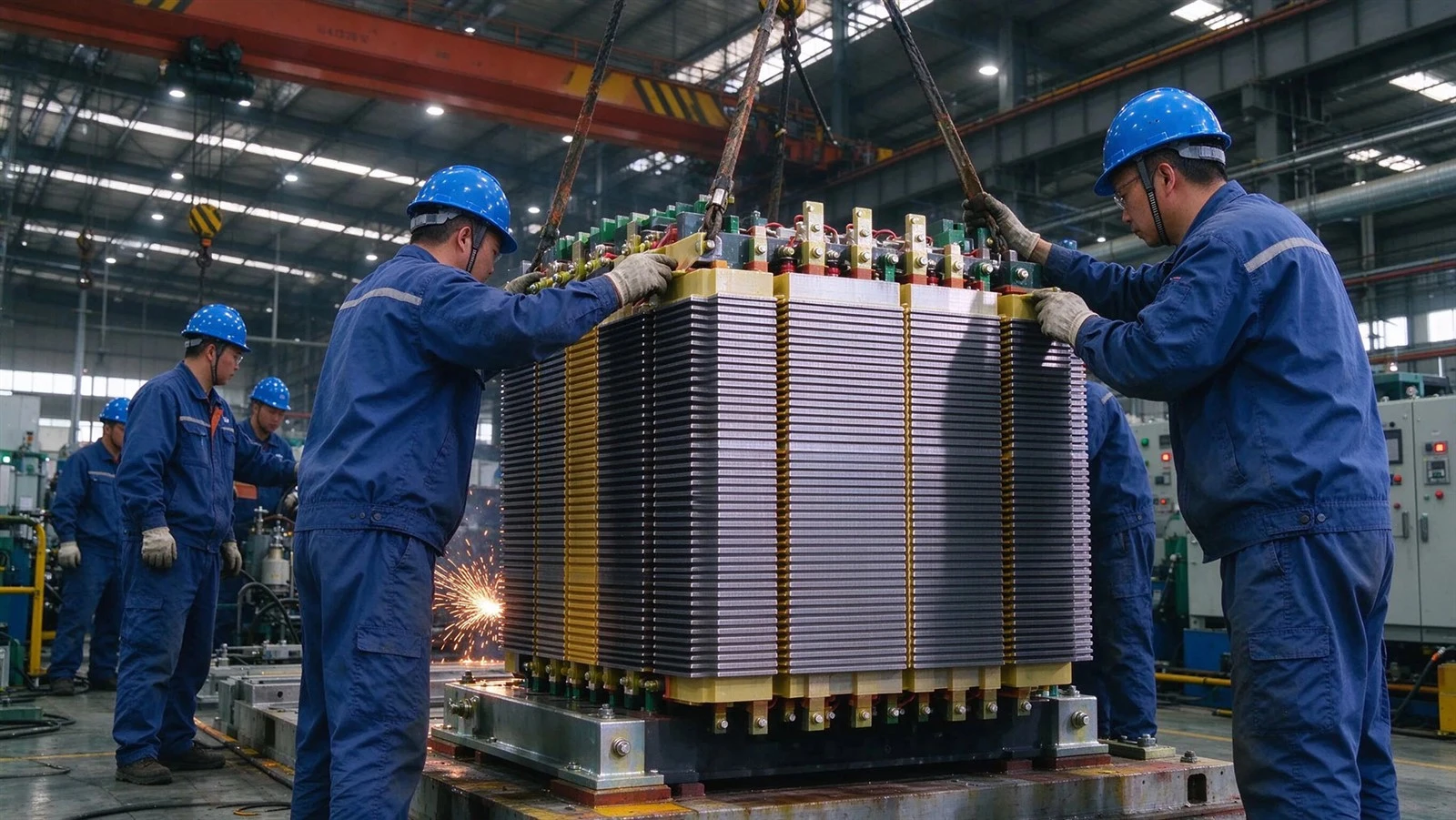
At TIG - Trust in Grid, that's exactly how we approach manufacturing. We supply oil-immersed and dry-type power and distribution transformers. We also provide core components like grain-oriented electrical steel and amorphous alloy cores for advanced manufacturing.
Have a project spec on hand? Let's talk engineering.
📩 Email: asia@trustingrid.com
🌐 Web: www.trustingrid.com
References
[1] Global Energy Monitor, "Energy Storage Signals Shift to Renewable Grids," March 2026.
[2] TPG Rise Climate Insight Digest, February 2026.
[3] IEA, Renewables 2025, via China Daily, October 2025.
[4] IEEE Xplore, "A Systematic Review of Smart Grid Information Systems for Integrating Renewable Energy in Urban Environments," 2025.
[5] People's Daily / China Energy News, "The 15th Five-Year Plan will Accelerate the Construction of a New Grid Platform Synergizing Main, Distribution and Micro Grids," November 2025.
[6] BaxEnergy Insights, August 2026.
[7] RatedPower / Enverus, 2026 Global Renewable Energy Trends Report, February 2026.
[8] People's Daily / China City News, "Hundreds of Billions in Grid Investment Outline a New Energy Transformation Map," June 2025.
[9] China Power Supply Development Report 2026, via China Energy News, July 2026.